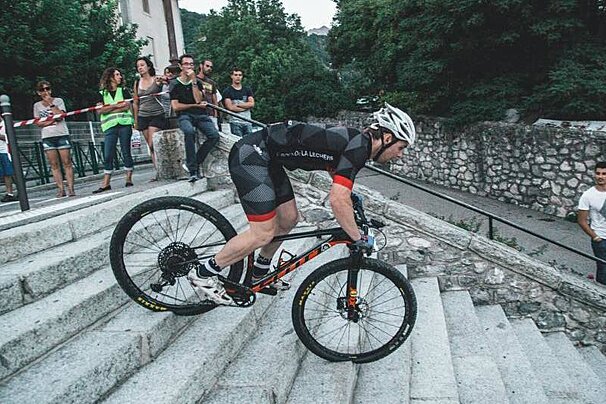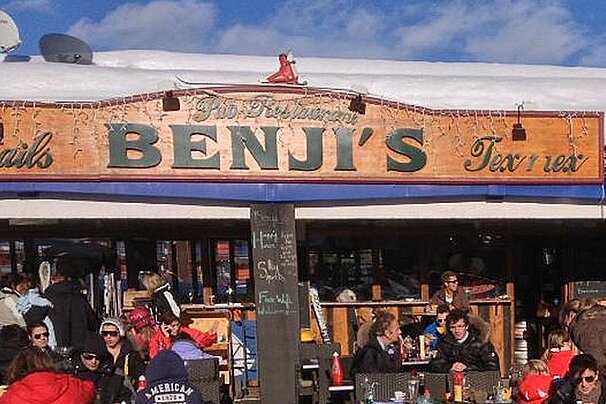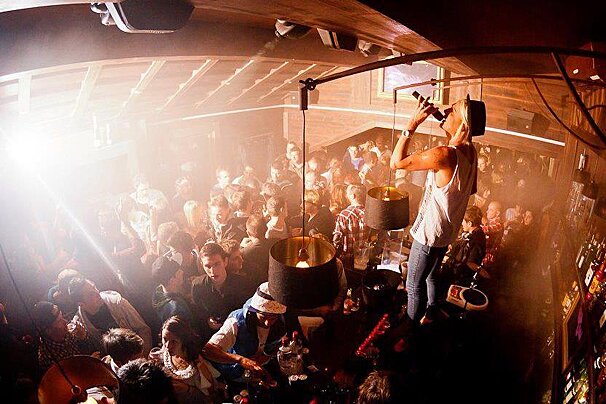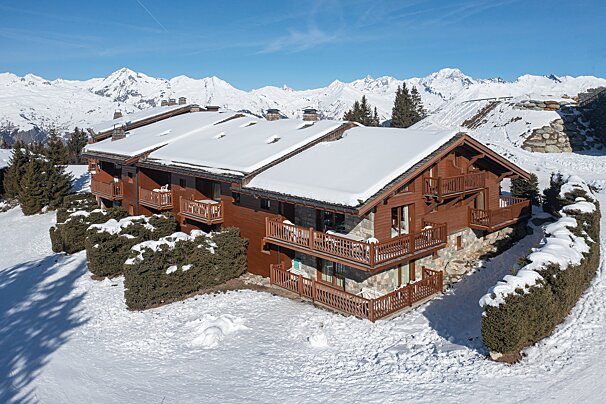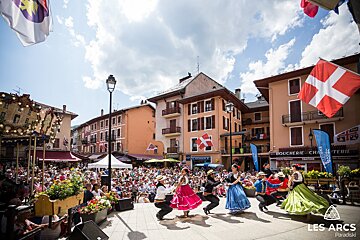


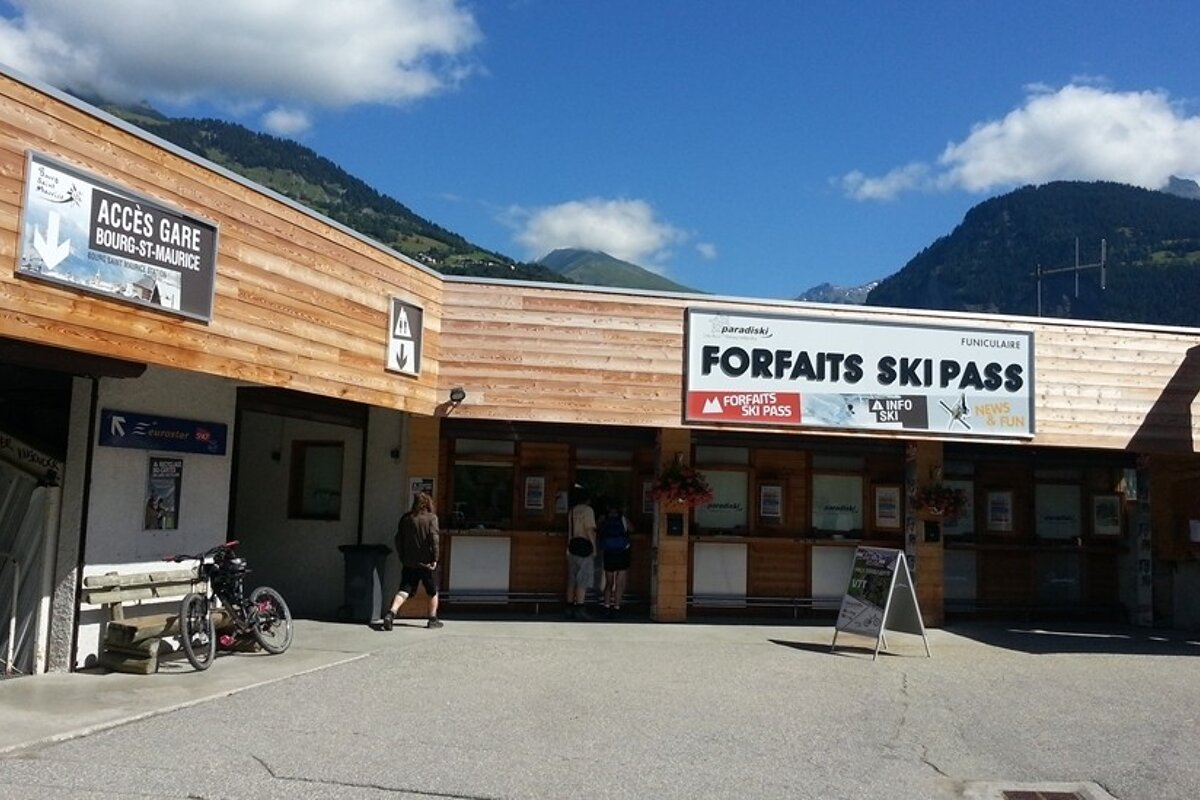
Bourg St Maurice acts as a local hub for events, transport and commerce. It's the year-round beating heart of the Les Arcs area, boasting a train station which not only links to the mountainside resorts by a rapidly-ascending funicular railway but also provides international connections such as the direct rail route to London. There are regular events throughout the year and innumerable places to eat, drink and shop.
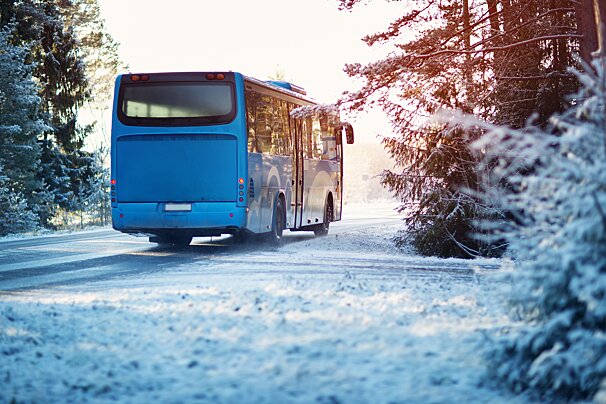
Being the biggest town in the area, Bourg St Maurice provides services, goods and entertainment to the people of Les Arcs and many other popular resorts. The train station includes a coach terminal, from which you can board buses to La Rosière, Sainte Foy, La Plagne, Tignes, Val d'Isère and, in the summer, Italy. There is no shortage of retail options with everything on offer from commercial centre hypermarkets to tiny high street boutiques. Bourg is essentially big enough to have a cinema, a campsite and weekly markets but small enough to remain friendly and manageable, all surrounded by the spectacular mountainous landscape.